Beyond the search bar: Navigating the era of agentic commerce
At this year’s National Retail Federation (NRF) conference in New York City, the conversation shifted from simple automation to a fundamental reimagining of how we buy and sell.
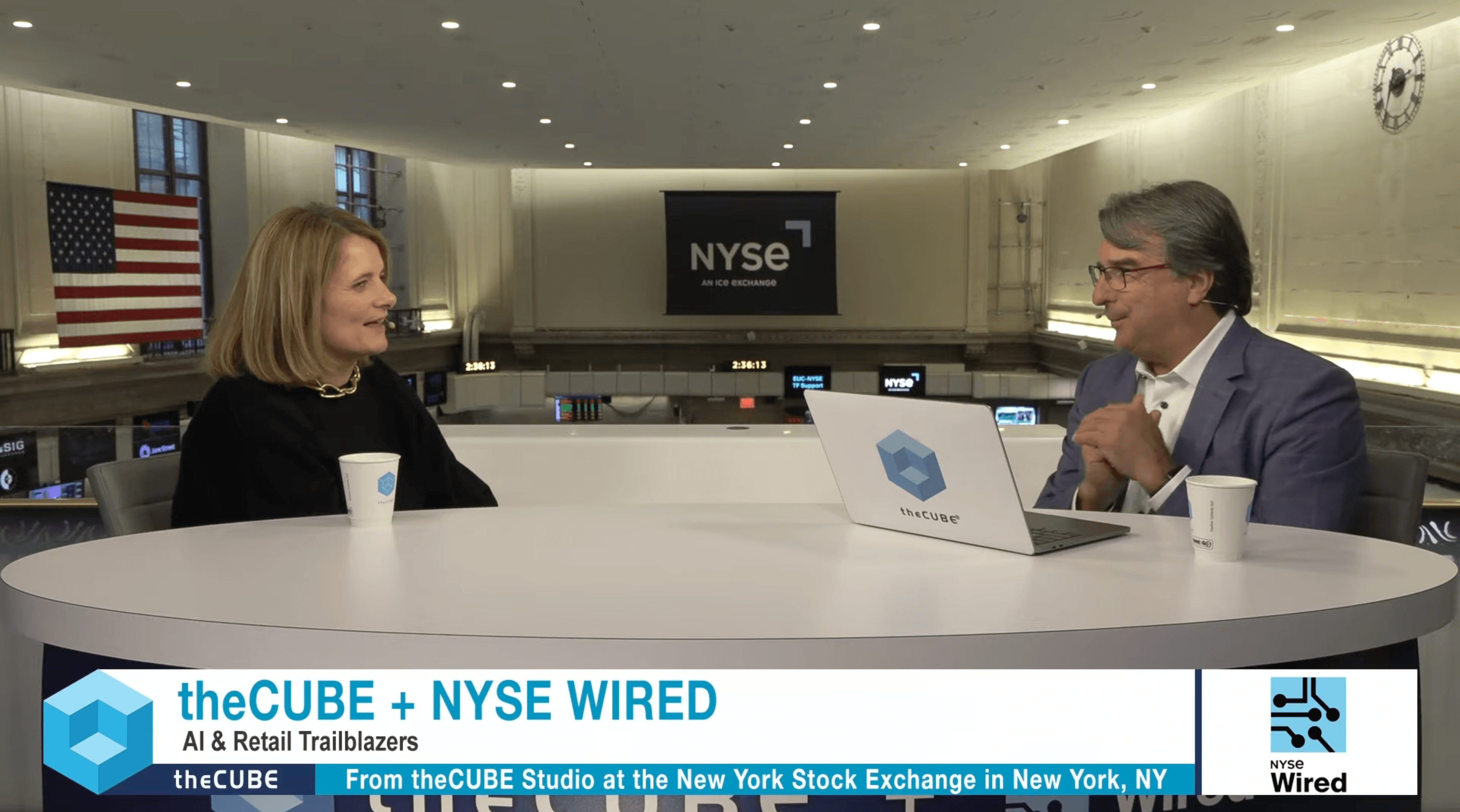
In a recent episode of theCUBE, filmed at the New York Stock Exchange (NYSE) studios, Anne-Claire Baschet, chief data and AI officer at Mirakl, sat down with host John Furrier to discuss how retail is entering its most transformative phase yet: Commerce 3.0.
The central takeaway? While AI agents are the new face of retail, the marketplace model is the indispensable foundation that makes agentic commerce possible.
The evolution to Commerce 3.0
According to Baschet, we have moved through two distinct eras to reach our current moment:
Commerce 1.0: The birth of the web, mobile and social shopping.
Commerce 2.0: The platform revolution, led by giants like Amazon and Airbnb.
Commerce 3.0: The era of agentic commerce.
Crucially, Commerce 3.0 is not a departure from the marketplace era — it is the realization of it.
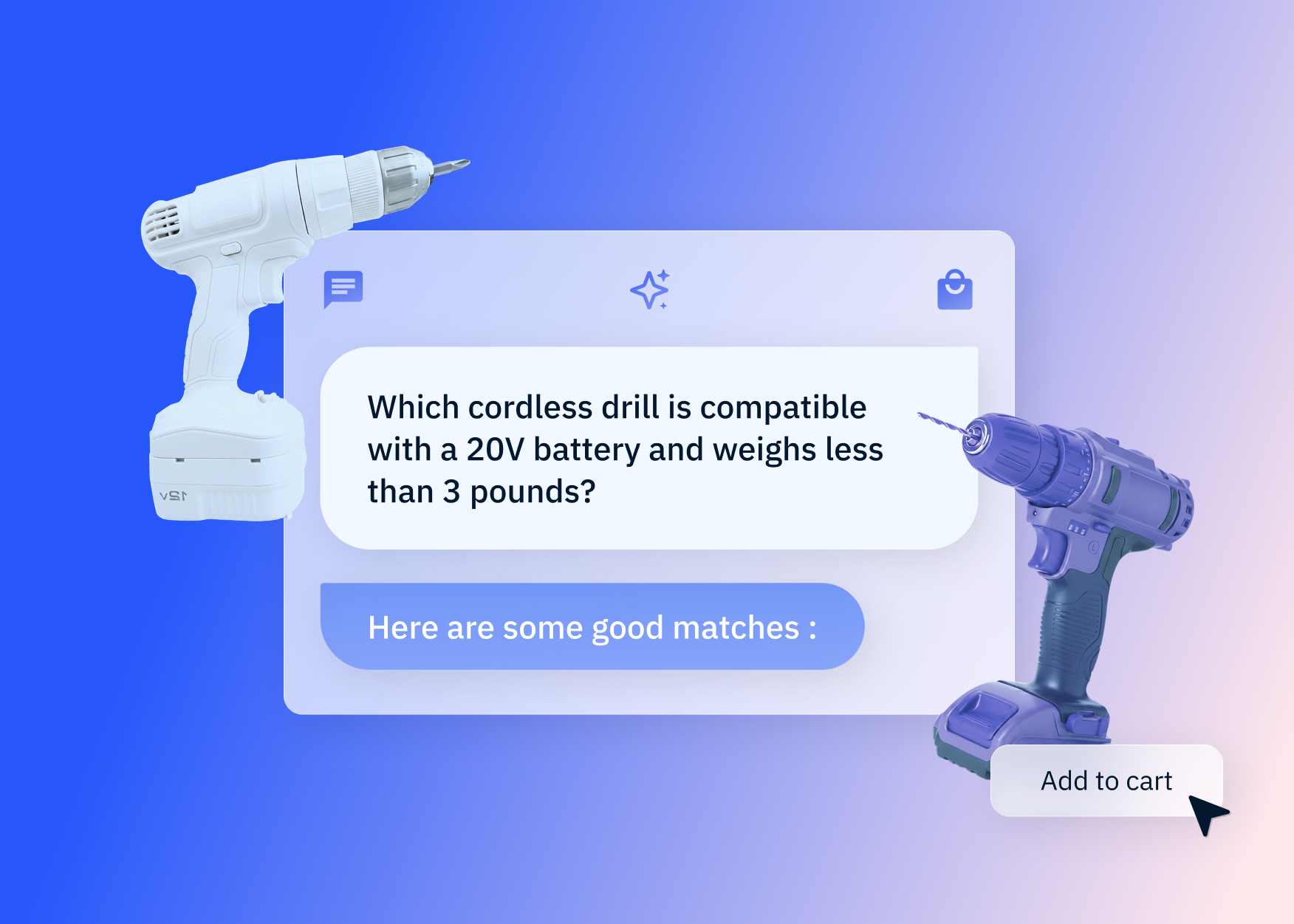
In this "shopper revolution," customers interact with AI agents to solve problems rather than typing keywords into a search bar.
However, for an agent to be effective, it needs access to the infinite assortment and real-time inventory that only a marketplace ecosystem can provide. Without the scale of a marketplace, an AI agent is a pilot without a plane.
Data: The "nervous system" of retail
One of the most striking points of the discussion was the move away from AI as a "glamorous" front-end tool. Instead, Baschet and Furrier explored AI as the operating system of the enterprise.
Before a retailer can offer a world-class customer experience, they must fix the "internal plumbing." As Baschet noted, AI does not just sit on top of a business; it acts as a harmonization layer, connecting pricing, inventory and external signals into a single, real-time nervous system.
The marketplace model is what feeds this nervous system. By opening up to third-party sellers, retailers gain a massive influx of data and signals that allow AI agents to understand global supply, fluctuating prices and specific product nuances in ways a traditional linear supply chain simply cannot.
From search terms to solving problems
The traditional shopping journey where consumers are typing keywords, scrolling through pages and opening a dozen PDFs, is dying. In the interview, Baschet shares a compelling example of a parent looking for a specific washing machine.
In the Commerce 3.0 world, she does not search for a "silent washing machine." She tells an agent her problem: "My machine is broken, I need a replacement by Saturday, and it needs to be quiet."
For the agent to fulfill this request, it must instantly scan a vast, diverse catalog. This is where the marketplace foundation is critical. A retailer with a limited, first-party-only inventory may not have a machine that fits all three criteria in stock for Saturday delivery. A marketplace-led retailer, however, has the breadth of assortment to ensure the agent always finds the "yes" for the customer.
Why speed and assortment still matter
While the interface is changing, the retail fundamentals remain. In fact, they are more critical than ever:
Pricing transparency: In an agent-led world, transparency is absolute. Agents scan for the best value instantly. A marketplace model ensures competitive tension that keeps your brand at the top of the agent’s recommendation list.
Assortment is visibility: Mirakl recently conducted an internal study for a major U.S. retailer showing that without a marketplace strategy, they appeared in only half of LLM results. By expanding their assortment and maintaining price leadership through a marketplace model, that visibility jumped to 75%. If you aren't a marketplace, you're invisible to the agents.
Velocity: Speed is the new currency. Mirakl is helping retailers like Best Buy and Rakuten move faster by using AI to reduce seller onboarding from days to seconds. For example, AI can now map SKU data to a retailer’s specific taxonomy in just five seconds per SKU, allowing sellers to go live almost instantly. This "marketplace velocity" ensures that as soon as a trend shifts, the products are available for the agents to find.
What’s next for the "agentic-ready" company?
Becoming agentic-ready requires more than just adopting a chatbot. It requires an orchestration layer that allows your data to be "read" and "acted upon" by external agents. Baschet noted that we are currently in a "Wild West" phase where standards like Google’s UCP protocol are just beginning to emerge.
At Mirakl, we believe that winning in Commerce 3.0 starts with mastering the marketplace. We enable retailers to not only manage their own marketplaces but to publish and optimize their catalogs so they are the first choice for the AI agents of tomorrow.
Watch the full interview with Anne-Claire Baschet on theCUBE above, or take your first steps towards winning in Commerce 3.0 by downloading our agentic commerce roadmap, here.
Download now | Winning in the agentic era: The eCommerce transformation roadmap