
At this year’s Google Marketing Live, Google pulled back the curtain on what may be the most consequential shift in retail since the rise of the smartphone.
Anchored by its new Universal Cart, the Agent Payments Protocol (AP2), and the Universal Commerce Protocol (UCP), Google laid out a vision for agentic commerce, a world where AI doesn't just help people find products, but buys them too.
For retailers, this is both a gift and a gauntlet. The instinct will be to treat it as a binary choice: embrace the universal cart, or defend your own storefront.
But the retailers who thrive won't choose. They'll do both. They'll show up wherever AI shoppers are, then turn every one of those touchpoints into a path back to experiences they own. Here's how to make sense of it.
What is the Universal Cart and what does it mean for retailers?
The Universal Cart is exactly what it sounds like: a single, intelligent shopping cart that works across retailers and across Google's surfaces, including Search, Gemini, Maps and more. A shopper can fill one cart with items from retailers like Sephora, Target or Wayfair, then check out in a few taps with Google Pay, without ever visiting those individual websites.
Crucially, Google is keen to reassure retailers on one point: The retailer always remains the merchant of record. And notably, shoppers can choose to transfer items back to the merchant's own site to complete the purchase — a detail that, as we'll see, is the key to winning in this new era.
But read between the lines, and the strategic shift is profound. The point of discovery, decision and transaction is moving off your storefront and into the AI layer. The cart, historically one of the most valuable pieces of real estate a retailer owns, is being abstracted away into a universal, platform-owned experience.
The winning move isn't to resist that shift. It's to participate in it while building the gravity that keeps pulling shoppers back to you.
What are the opportunities in the Universal Cart era?
It's not all defensive. The Universal Cart era opens real upside for retailers who lean in:
- Frictionless conversion at the moment of intent: When a shopper can buy the instant AI surfaces your product, via Direct Offers, Shopping ads on YouTube, or buy-now-pay-later through Affirm and Klarna baked into Google Pay, you capture demand you might otherwise have lost to a clunky checkout.
- A new front door to your own site: Because shoppers can transfer a cart back to your storefront to complete checkout, every AI discovery moment is also an opportunity to bring that shopper onto your properties, where you own the experience, the data and the relationship.
- New discovery surfaces: People are increasingly shopping inside AI Mode and Gemini. The new AI performance insights in Merchant Center let you benchmark your "share of voice" on AI surfaces against competitors, a brand-new battleground to win.
- Reach into new categories and geographies: UCP is expanding to hotel booking and food delivery, and rolling out across Canada, Australia and the U.K., signaling that agentic commerce will touch nearly every vertical .
What are the risks retailers face in the Universal Cart era?
The opportunities come with a serious catch that retailers shouldn't gloss over it:
- Disintermediation of the customer relationship: If the cart, the checkout and, increasingly, the discovery all happen inside Google's ecosystem, the retailer risks becoming a faceless SKU supplier. Being the “Merchant of Record” gives you the transaction data, but it does not give you the behavioral data that historically lived in your funnel.
- Loss of first-party data: Every transaction that completes inside the Universal Cart is a transaction whose signal you may not fully own. Over time, that erodes your ability to personalize, retarget and build direct relationships.
- Commoditization and margin pressure: When products are compared instantly side-by-side in a universal cart, differentiation collapses to price and availability. That's a race to the bottom for anyone without a defensible brand or experience.
- Invisibility to AI agents: Here's the quiet risk that dwarfs the rest: If AI agents can't find and understand your products, you don't get disintermediated, you simply don't exist. Mirakl's own analysis found that less than 1% of product pages are truly LLM-ready. In an agentic world, an unreadable catalog is an invisible catalog.
What should retailers do about Google’s Universal Cart, and why?
The retailers who win this era won't choose between agentic commerce and their own storefront. They'll do both. They'll show up wherever AI shoppers are, then use every one of those touchpoints to pull shoppers back into experiences they own. This is precisely the playbook Mirakl was built to power. With that in mind, retailers need to:
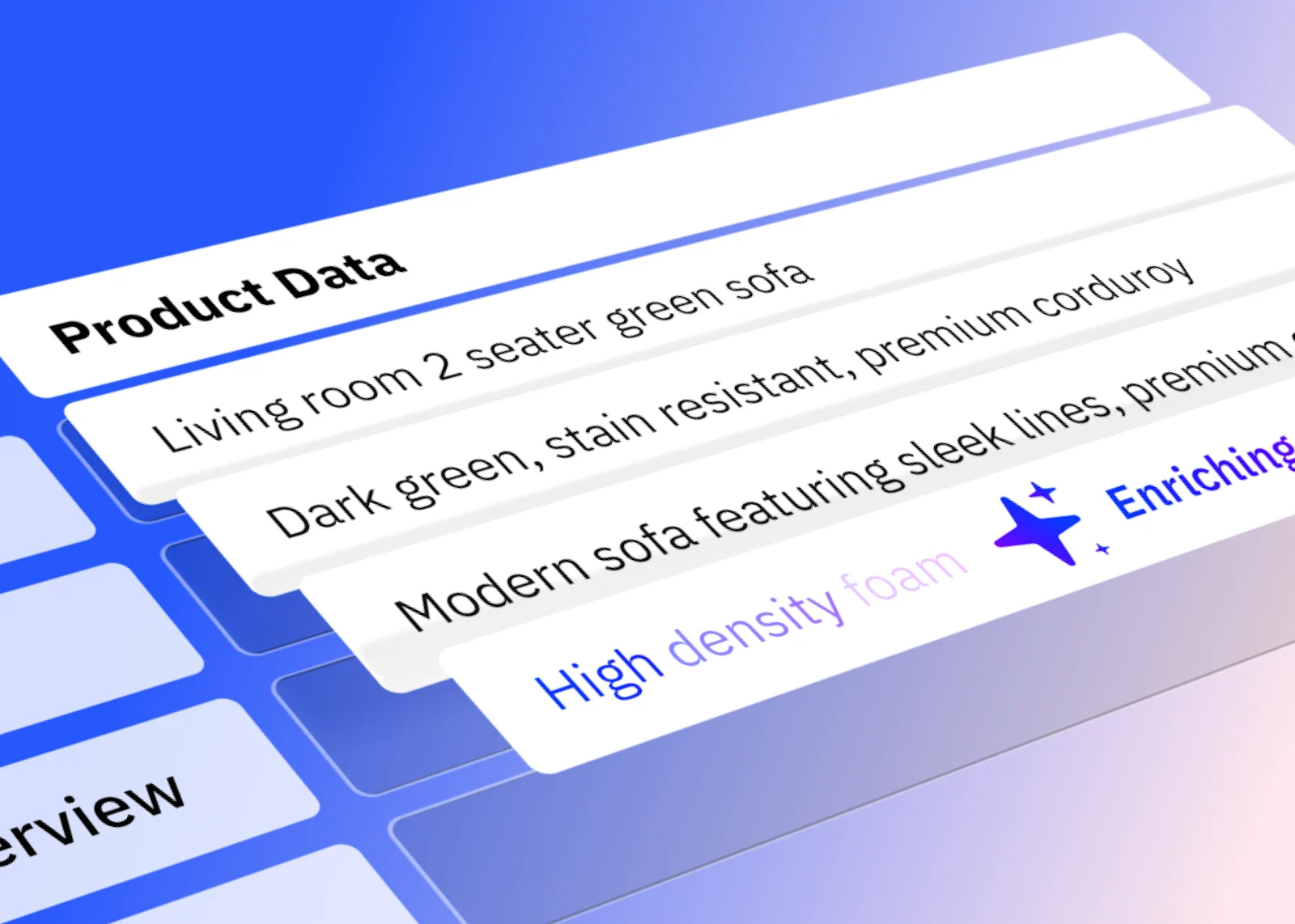
- Build a catalog foundation that scales, and earns repeat visits. AI discovery is only as good as the data beneath it. The Mirakl Catalog Platform lets you manage hundreds of thousands of products with the structure, enrichment and quality that agentic surfaces demand, turning your catalog from a liability into a competitive moat, and into the rich, reliable destination shoppers come back to directly.
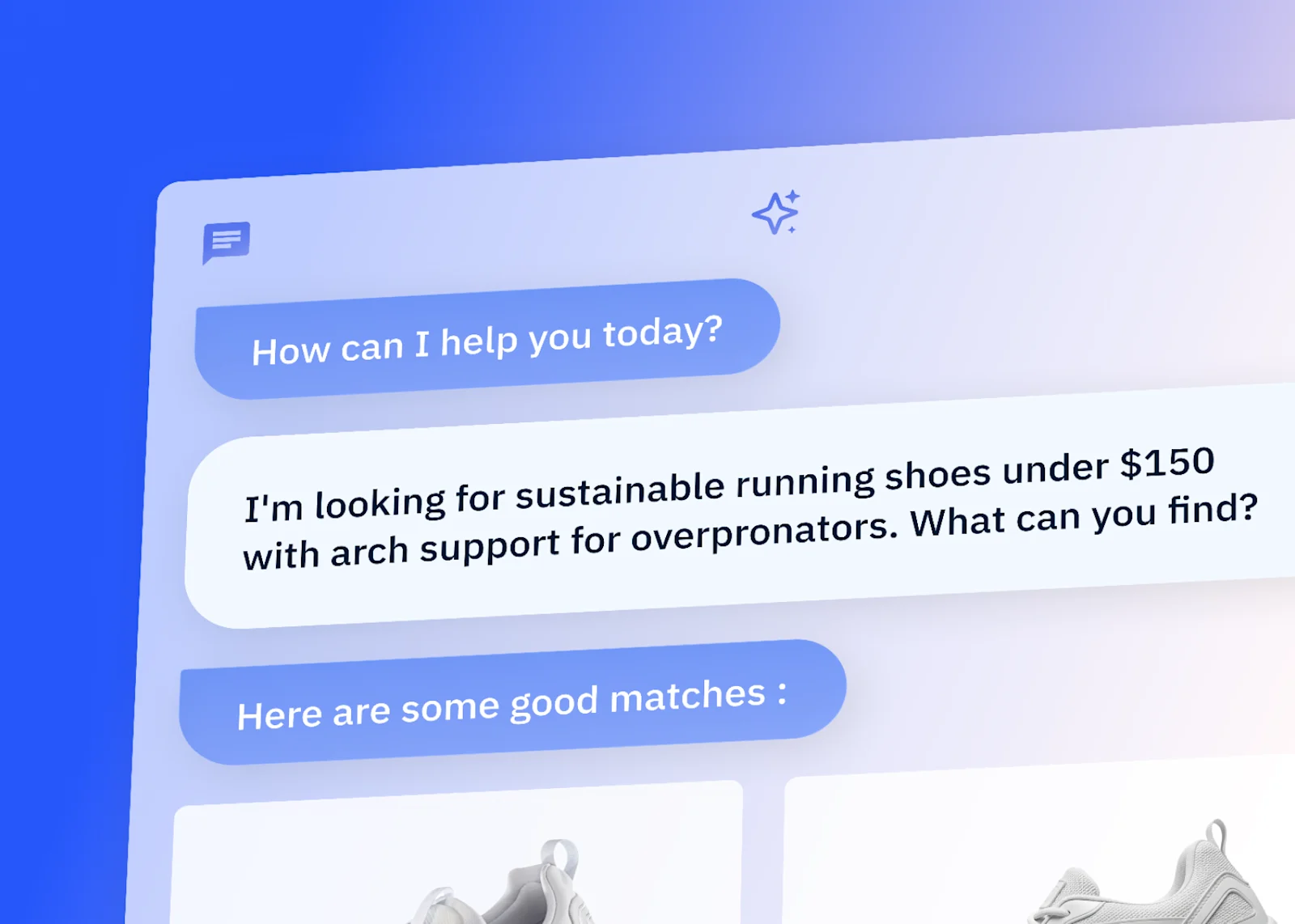
- Get found by AI, then route shoppers back to you. Agentic commerce starts with whether LLMs and shopping agents can find and cite your products. Mirakl Agentic Activation enriches product catalogs for LLM discovery and makes them sellable on AI platforms, so you show up, and convert, wherever shoppers are now buying. Start by knowing where you stand: Mirakl's GEO Readiness Analyzer (opens in a new tab) scores how "AI-ready" your product pages actually are. But the goal isn't just to be found by an LLM. It's to turn that discovery into a direct relationship. Because Google lets shoppers transfer a cart back to your site to check out, the real win is converting an AI touchpoint into a visit to your properties, where you own the experience, the data and the next purchase.
- Expand assortment to become a destination, not a SKU. In a universal cart, identical products from different retailers collapse into a price-and-availability contest. The way out is to offer what others can't: breadth and uniqueness of selection. Mirakl Marketplace and Dropship let you scale your assortment through third-party sellers and suppliers, so you become the retailer that has the item in stock, carries the long-tail and exclusive products shoppers can't easily find elsewhere, and lets them complete an entire basket in one place instead of across five. That's what makes an AI agent route the order to you, and what makes shoppers return to you directly: by being the most complete, most reliable source for what they actually want, not an interchangeable line item competing on price alone.
- Turn agentic discovery into a profit center. As AI surfaces become the new front door, the question isn't only "can shoppers find me?" It's "who gets paid when they do?" Today, the answer is Google: every Direct Offer and Shopping ad is your media spend flowing out to their platform. Mirakl Ads flips that by letting you build your own retail media network. As agentic traffic flows onto your marketplace and storefront, you monetize that attention directly, charging the sellers and brands in your ecosystem for sponsored placements served to those incoming shoppers. In other words, the same agentic discovery that costs you money on Google's surfaces becomes high-margin revenue on yours. The more shoppers AI sends your way, the more your retail media business earns, turning discovery from a cost center into one of the few levers that actually expands margin.
The bottom line on Google’s Universal Cart for retailers
The Universal Cart era will reward retailers who treat platforms like Google as a powerful channel, not as their business.
While the Cart may be becoming universal, the customer relationship doesn't have to be.
The winners will be those who participate fully in agentic commerce — getting found by AI and converting at the moment of intent, while using every one of those touchpoints to pull shoppers back to properties they own. That means a richer catalog, a deeper assortment, and a retail media business that turns discovery into margin.
Show up everywhere shoppers are, and give them every reason to come back to you. That's exactly what Mirakl helps retailers do.
Learn more about how Mirakl is helping retailers win in agentic commerce here.